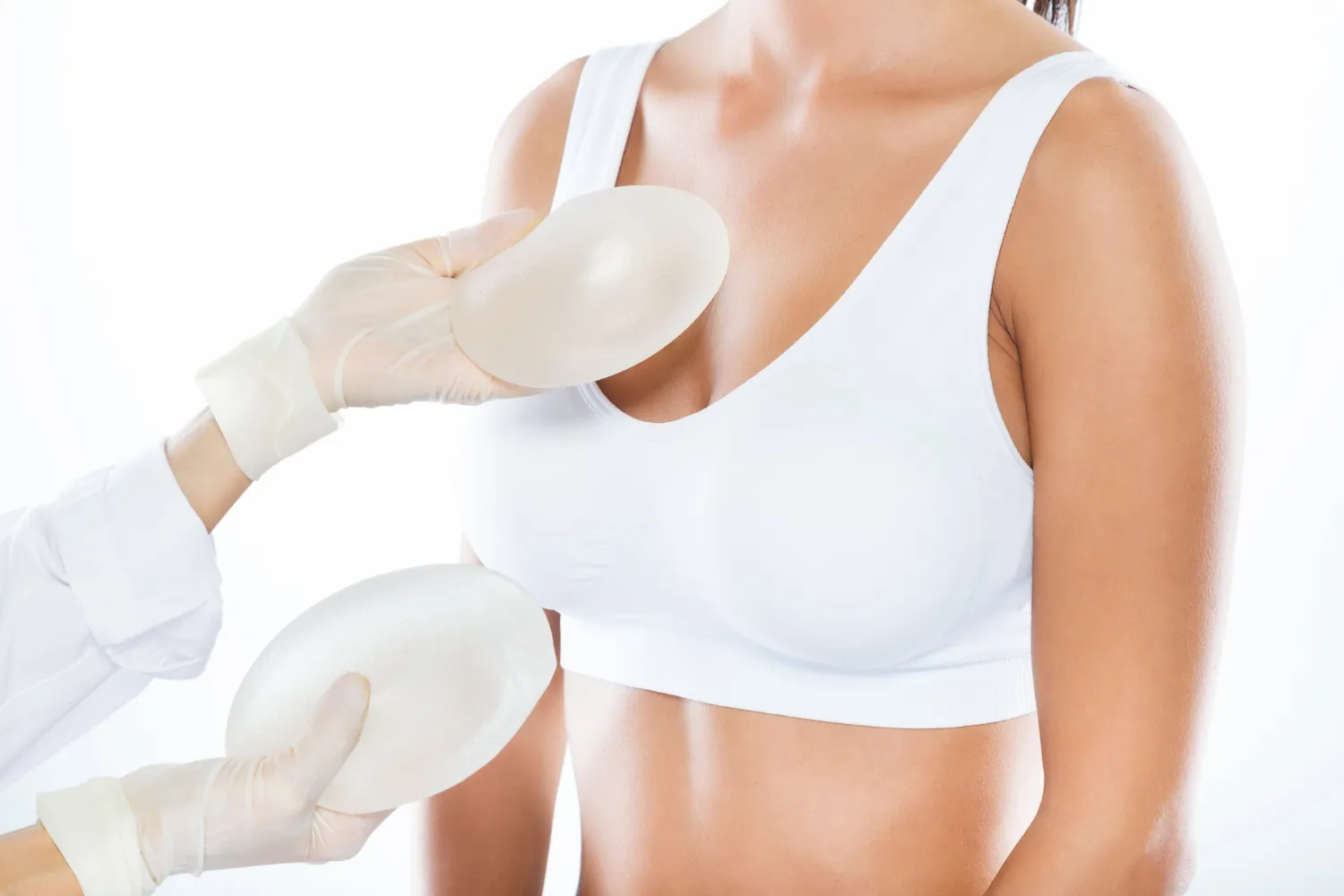
Breast augmentation is a surgical procedure designed to add volume and enhance the shape of the breasts for a more balanced, confident appearance. Dr. Vincent’s personalized approach to breast augmentation carefully considers size, shape, and nipple position to complement each patient’s body type and aesthetic goals.
Breast augmentation may help improve:
In some cases, breast implants may be combined with a breast lift (mastopexy) to address sagging skin or low nipple position. Surgery is performed onsite in our AAAHC-accredited surgical facility, with all surgical and anesthesia fees included. During your consultation, Dr. Vincent will help determine the best approach for you.
Home / Procedures / Breast Procedures / Breast Augmentation
A good candidate for breast augmentation is someone who desires fuller, more proportionate breasts or wants to restore volume lost due to weight changes, pregnancy, or aging.
Ideal candidates are in good health, have realistic expectations, and are seeking enhancement that complements their natural body shape.
A good candidate for breast augmentation is someone who desires fuller, more proportionate breasts or wants to restore volume lost due to weight changes, pregnancy, or aging.
Ideal candidates are in good health, have realistic expectations, and are seeking enhancement that complements their natural body shape.
1–3 hours
1–2 weeks
4–6 weeks
1–3 hours
1–2 weeks
4–6 weeks
Seeing is believing! Take a look at some of Vincent Surgical Arts’ amazing work to see what he can do for you. These are real images of real patients whose lives have been enhanced by Dr. Vincent and team.
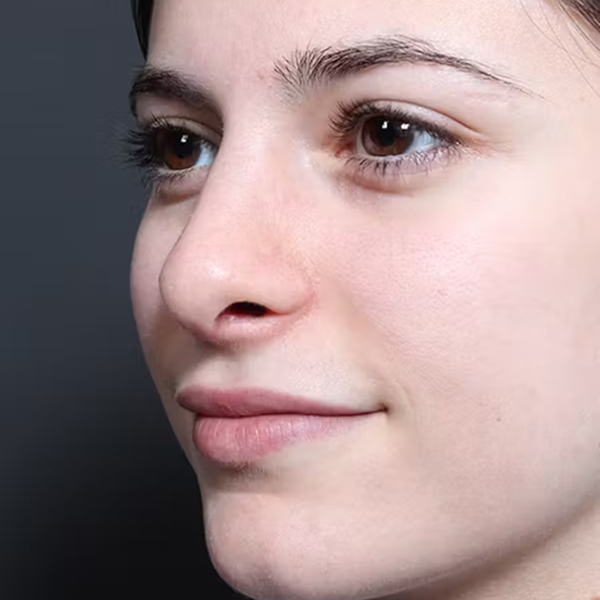
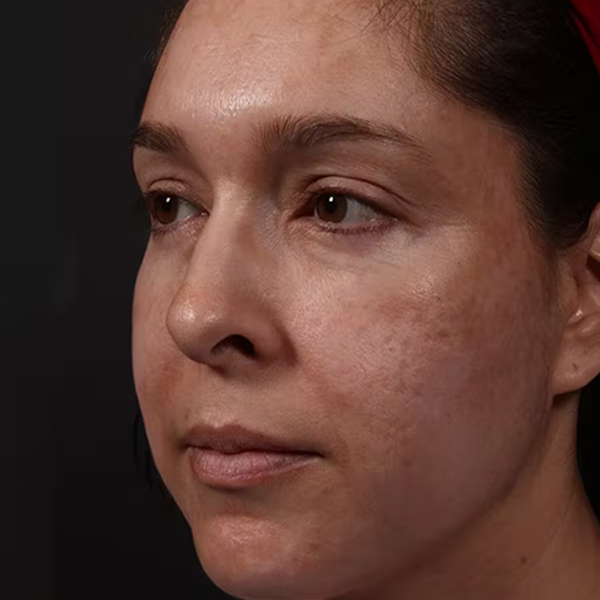
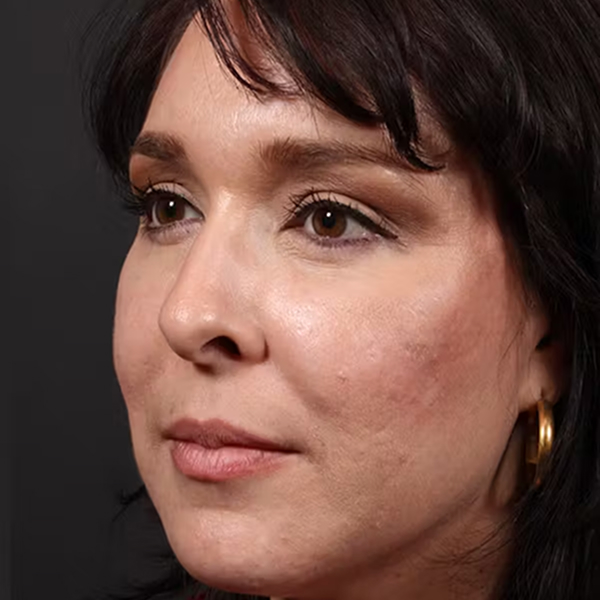

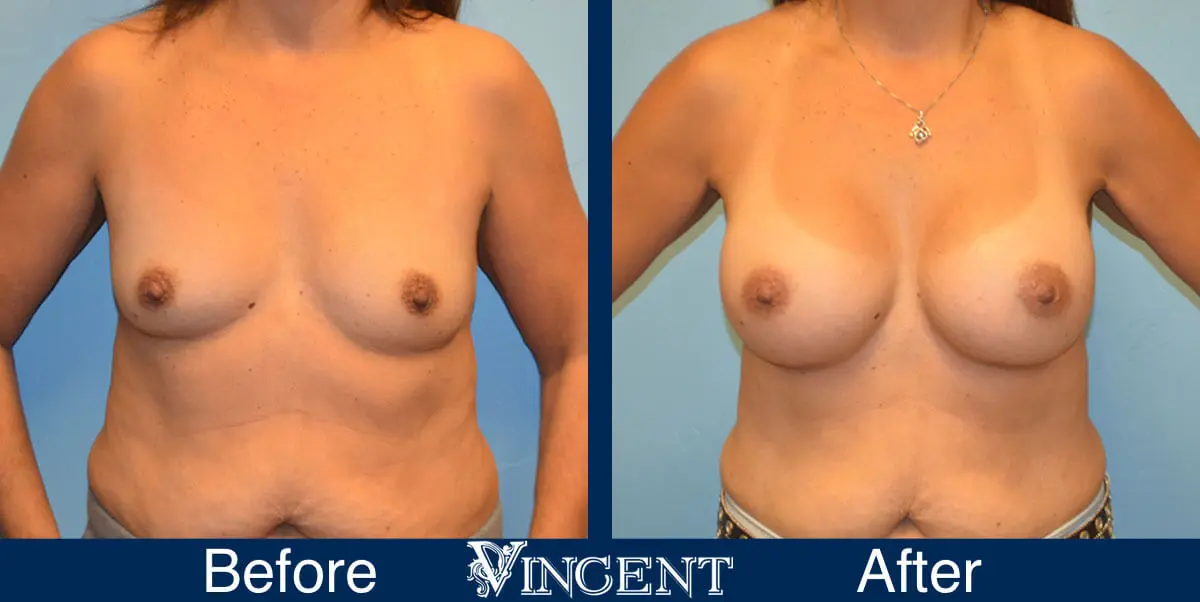
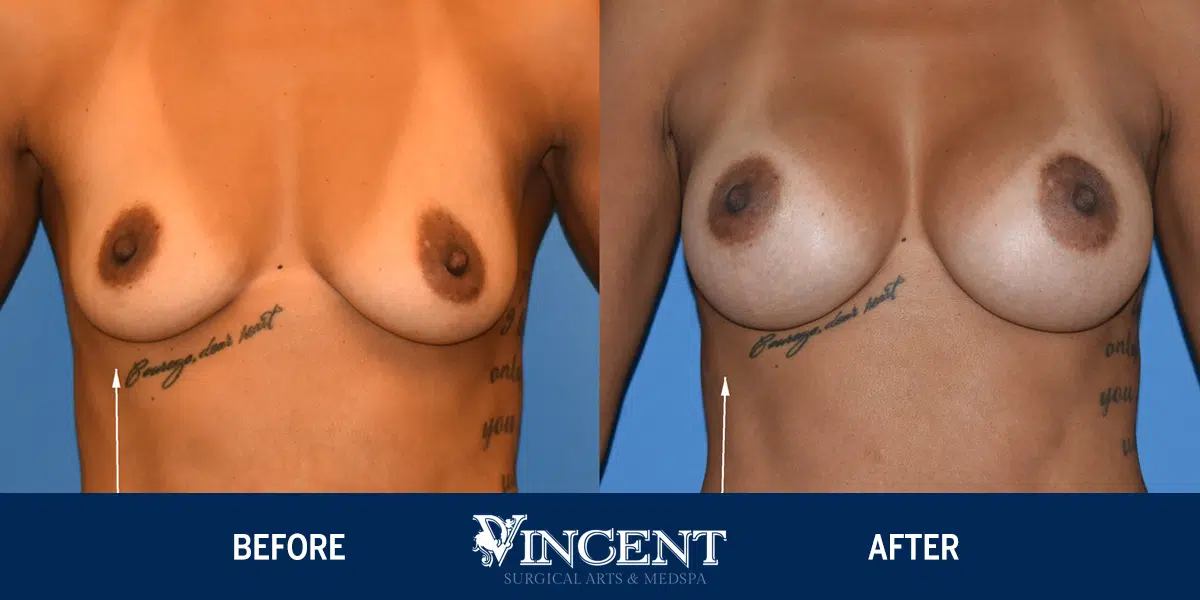
If you’re not confident about your appearance and have been feeling this way for a while, then this surgery is probably right for you. The fact that you’ve read this far is also another good sign that you’re ready, we strongly encourage patients to be informed and we are always available to answer any questions. Schedule an appointment with a cosmetic surgeon to have all your questions thoroughly answered.
The most common problem, capsular contracture, occurs if the scar or capsule around the implant begins to tighten. This squeezing of the soft implant can cause the breast to feel hard. Capsular contracture can be treated in several ways, and sometimes requires either removal or “scoring” of the scar tissue, or perhaps removal or replacement of the implant.
As with any surgical procedure, excessive bleeding following the operation may cause some swelling and pain. If excessive bleeding continues, another operation may be needed to control the bleeding and remove the accumulated blood.
A small percentage of women develop an infection around an implant. This may occur at any time but is most often seen within a week after surgery. In some cases, the implant may need to be removed for several months until the infection clears. A new implant can then be inserted.
These surgical procedures will be performed on an out-patient basis, in the hospital, or in an ambulatory surgery center under general anesthesia or IV sedation.
Some women report that their nipples become oversensitive, undersensitive, or even numb. You may also notice small patches of numbness near your incisions. These symptoms usually disappear with time, but may be permanent in some patients.
Following breast augmentation surgery, your scars will be firm and pink for at least six weeks. Then they may remain the same size for several months, or even appear to widen. After several months, your scars will begin to fade, although they will never disappear completely.
Breast augmentation is usually done under general anesthesia on an out-patient basis at a surgery center or a hospital. Several different methods are used for placement of the implants. An incision can be made in the crease of the lower part of the breast, along the lower half of the dark skin around the nipple or in the armpit, or through the belly button known as a TUBA (transumbilical breast augmentation). All of these methods are designed to result in minimal scarring so that the incisions are not easily detected. Working through the incision, your surgeon will lift your breast tissue and skin to create a pocket, either directly behind the breast tissue or underneath your chest wall muscle (the pectoral muscle). The implants are then centered beneath your nipples. The implants are then adjusted to ideal size and symmetry before the incision is sutured closed. The method of inserting and positioning your implant will depend on your anatomy and your surgeon’s recommendation. Placement behind the muscle, however, may be more painful for a few days after surgery than placement directly under the breast tissue. The surgery takes approximately one hour to perform.
You should be able to return to work within a few days, depending on the level of activity required for your job.
We will advise you when to begin exercises and normal activities. Your breasts will probably be sensitive to direct stimulation for two to three weeks, so you should avoid much physical contact. After that, breast contact is fine once your breasts are no longer sore, usually three to four weeks after surgery.
Routine mammograms should be continued after breast augmentation for women who are in the appropriate age group, although the mammographic technician should use a special technique to assure that you get a reliable reading, as discussed earlier.
The cost of breast augmentation is going to vary by patient. Please schedule a breast augmentation consultation so that we may answer this and any other question you may have. If financing is something that you would like to consider. We have developed relationships with Key Bank, Zions Bank, and Care Credit to help you realize your breast augmentation goals in an affordable and flexible way that best serves you.
Complications (as with any other surgical procedure) can happen in breast augmentation surgery. We recommend you read the specific complications outlined in the Food and Drug Administration pamphlet. To obtain this pamphlet, contact the FDA Consumer Information Line at 1.888.INFO.FDA (1 888.463.6332.) The Food and Drug Administration Web site can be found at www.fda.gov. A copy of this form will also be provided during your consultation.
More information on the safety of silicone breast implants can be found at www.nap.edu/catalog/9618.html
There is no evidence that breast implants will affect fertility, pregnancy, or your ability to nurse. If, however, you have nursed a baby within the year before augmentation, you may produce milk for a few days after surgery. This may cause some discomfort, but can be treated with medication prescribed by your surgeon.
A common question from breast augmentation patients and the answer is going to vary by patient. Saline implants are placed with slightly smaller incisions, filled with salt-water, a more natural substance, and allow the surgeon size adjustability. Some of their disadvantages are that they have a higher chance or rippling, and feel less natural.
Silicone implants look and feel more natural, and there’s less chance of rippling or rupturing. Some of their disadvantages are that they are pre-filled, giving surgeons fewer sizing adjustments, and they have a slightly longer scar.
Schedule a breast augmentation consultation to help you decide which is right for you.
A surgical dressing is usually placed to protect the incisions. Some swelling, bruising and minor discomfort may be experienced for several days after the surgery. Discomfort can be easily controlled with pain medication.
Within several days, the gauze dressings, if you have them, will be removed, and you may be given a surgical bra. Your stitches will come out in a week to ten days, but the swelling in your breasts may take three to five weeks to disappear. You may also experience a burning sensation in your nipples for about two weeks, but this will subside as bruising fades.
Read below to understand the overall process.
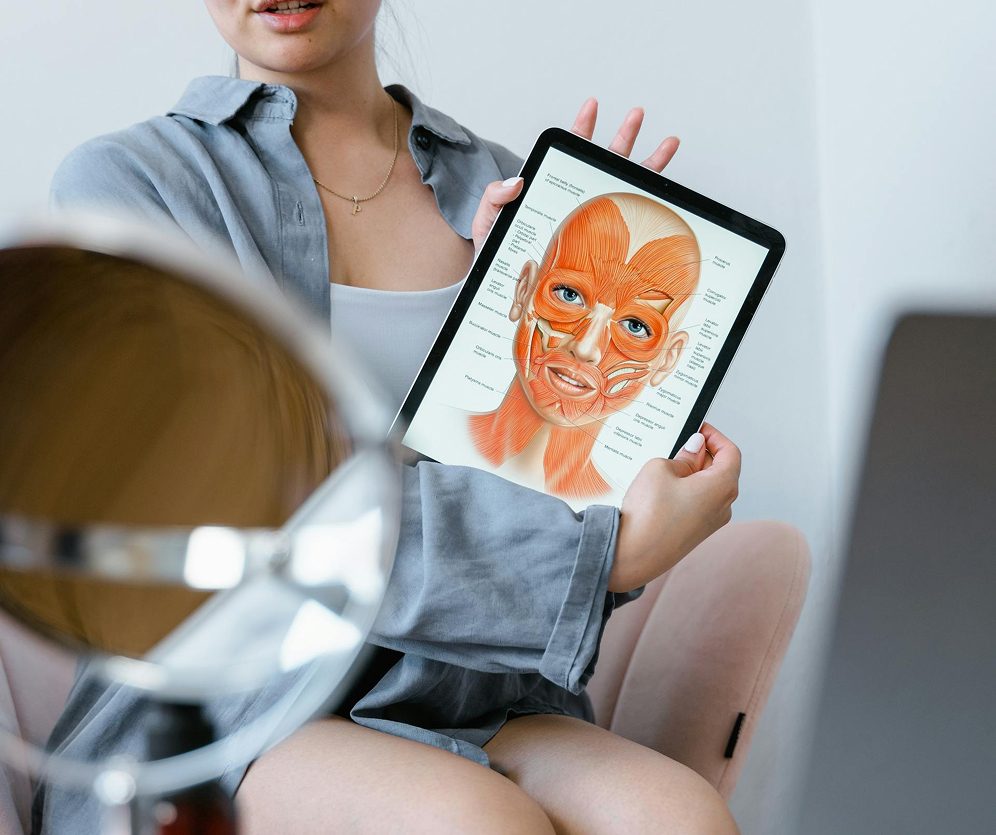
At Vincent Surgical Arts, several plastic and reconstructive surgeons offer face lift surgery. The most common technique used involves an SMAS face lift (a submuscular aponeurotic system face lift). This tightens up the underlying muscular layer as well as the skin, providing an increase in tone that is longer lasting.
At Vincent Surgical Arts, several plastic and reconstructive surgeons offer face lift surgery. The most common technique used involves an SMAS face lift (a submuscular aponeurotic system face lift). This tightens up the underlying muscular layer as well as the skin, providing an increase in tone that is longer lasting.
Surrounded by the latest treatments and advice, you’ll have everything you need to get back to your best health. Our patient rooms are designed for your comfort, while our catering team, in collaboration with expert dietitians, provide healthy, delicious meals to support your recovery.
Exceptional patient care is a way of life for us. Our teams will be with you every step of the way, tailoring your care to your specific needs and giving you the peace-of-mind that comes with knowing you’re in the best hands.
We work together as one to guide you through every step of your patient experience. From explaining your personal treatment plan to ensuring all details are taken care of, we make the process stress-free, so you can focus on your health.
Seeing is believing! Take a look at some of Vincent Surgical Arts’ amazing work to see what he can do for you. These are real images of real patients whose lives have been enhanced by Dr. Vincent and team.
Call us directly, submit a sample or email us!
6710 Blackstone Rd #201
Cottonwood Heights, UT 84141
Call us :(801) 942-1111
Mon-Sat: 7:30am - 7:00pm
Sun: 8:00am - 6:00pm
Start your journey of achieving your desired results.